Concurrent Session 2C: Service showcases: Supporting men experiencing homelessness

Presented by The Salvation Army Foster House in collaboration with StrongMind

The Healing Pathways Program, delivered through a partnership between The Salvation Army Men’s Residential Service Foster House in Surry Hills and the StrongMind program, represents an innovative and authentic approach to supporting men who are at risk of or currently experiencing homelessness. This collaboration combines the strength of lived experience, person-centred practice, and authentic human connection to create a model that is flexible, culturally responsive, and deeply human.

This dynamic session will bring the Healing Pathways Program to life through the voices of those with lived experience. Participants will share stories of change and recovery, inviting the audience into a space where vulnerability, resilience, and authenticity meet. Attendees will gain insight into how the program’s peer-led, trauma-informed approach creates meaningful engagement and long-term transformation for men often disconnected from traditional systems of care.

The presentation will explore:
• The development of the Healing Pathways Program model and its collaborative design between The Salvation Army and StrongMind
• How lived experience and peer leadership build genuine trust and connection with highly marginalised men
• Practical strategies for engagement through honesty, respect, and authenticity rather than enforcement or control
• The adaptability of the model—how it evolves in real time through client feedback and community needs
• The role of mindfulness, reflection, and relational practice in supporting recovery and self-awareness

Healing Pathways challenges conventional service delivery by focusing on attraction rather than promotion—meeting men where they are, physically and emotionally. It demonstrates how services can integrate lived experience and professional practice to create spaces that foster safety, belonging, and empowerment.

This session aligns strongly with the conference theme A Place to Call Home, offering a practical, human-centred framework that redefines how homelessness services can engage, support, and inspire men toward healing, stability, and hope.

Presenters

Attachment

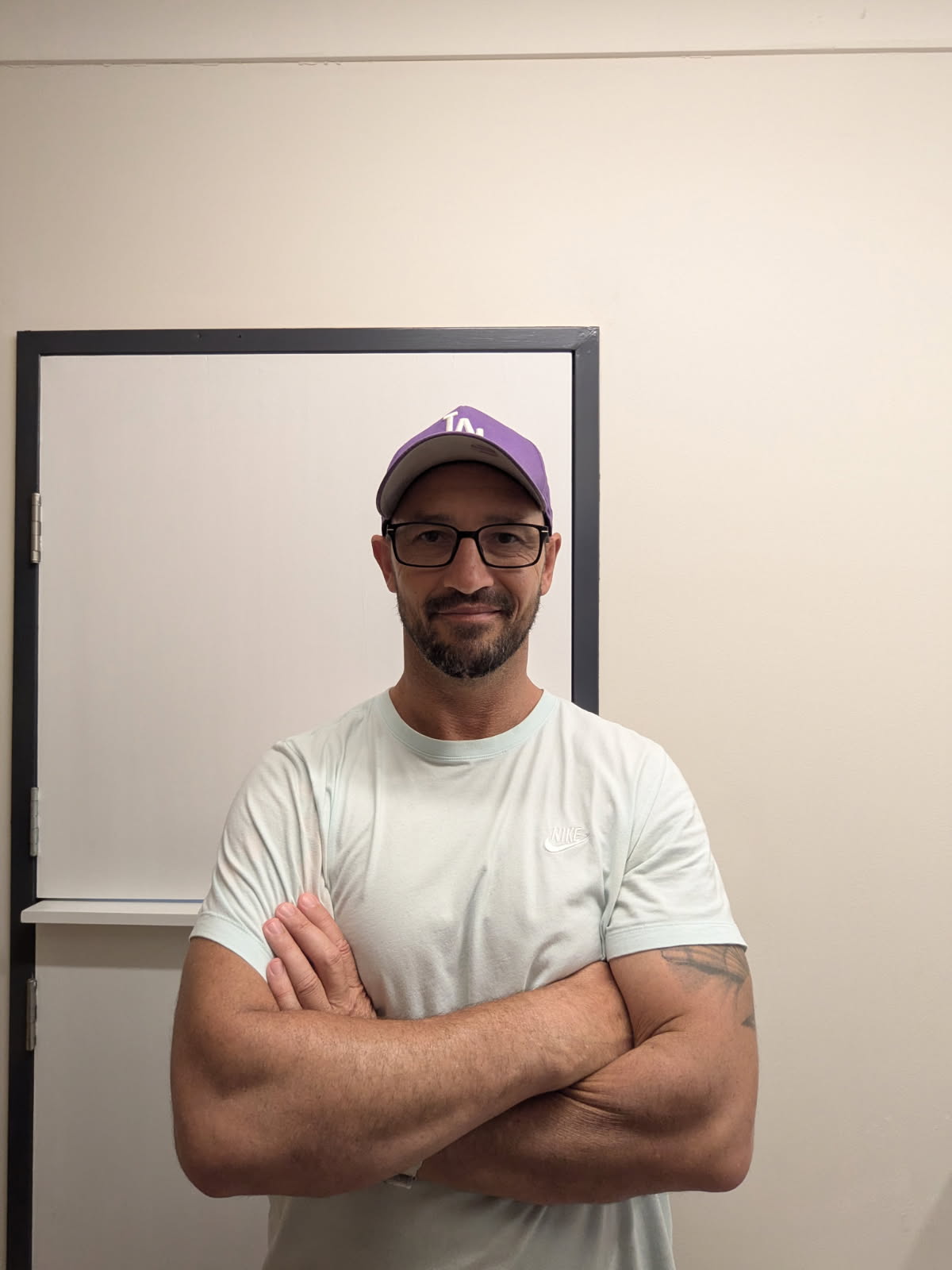
Mr Casey Barker

Lived Experience Peer Support Worker, The Salvation Army

Australia – Surry Hills NSW

Casey Barker is a lived experience peer support worker foster house. He grew up around violence and trauma and developed addiction at a young age. Casey made poor choices and spent large amounts of time in institutions, becoming homeless, isolated and in very poor emotional, physical, spiritual, and mental health.

Four years and 8 months ago Casey made the best choice he’s ever made and went to rehab. Once he finished rehab he continued to do fortnightly therapy, N.A meetings, and found employment. He changed every part of himself that no longer served him, his children and society.  Casey found parts of himself that he liked, and nurtured these qualities and began practicing his principles. He learnt to love himself and took responsibility for his life. Today Casey is a present father who shows up and continues to make daily amends to past behaviours.

Case’s past experiences have taken him to very dark places and unfortunately he has lost his entire family tree to addiction and suicide (both parents, two brothers and a sister). Since being in recovery he has healed this pain and learned to grieve in a healthy way. He now feels that he can truly relate to the men he helps, as he’s walked in their shoes, and his main focus is to help them find direction, peace and love.

Attachment-1

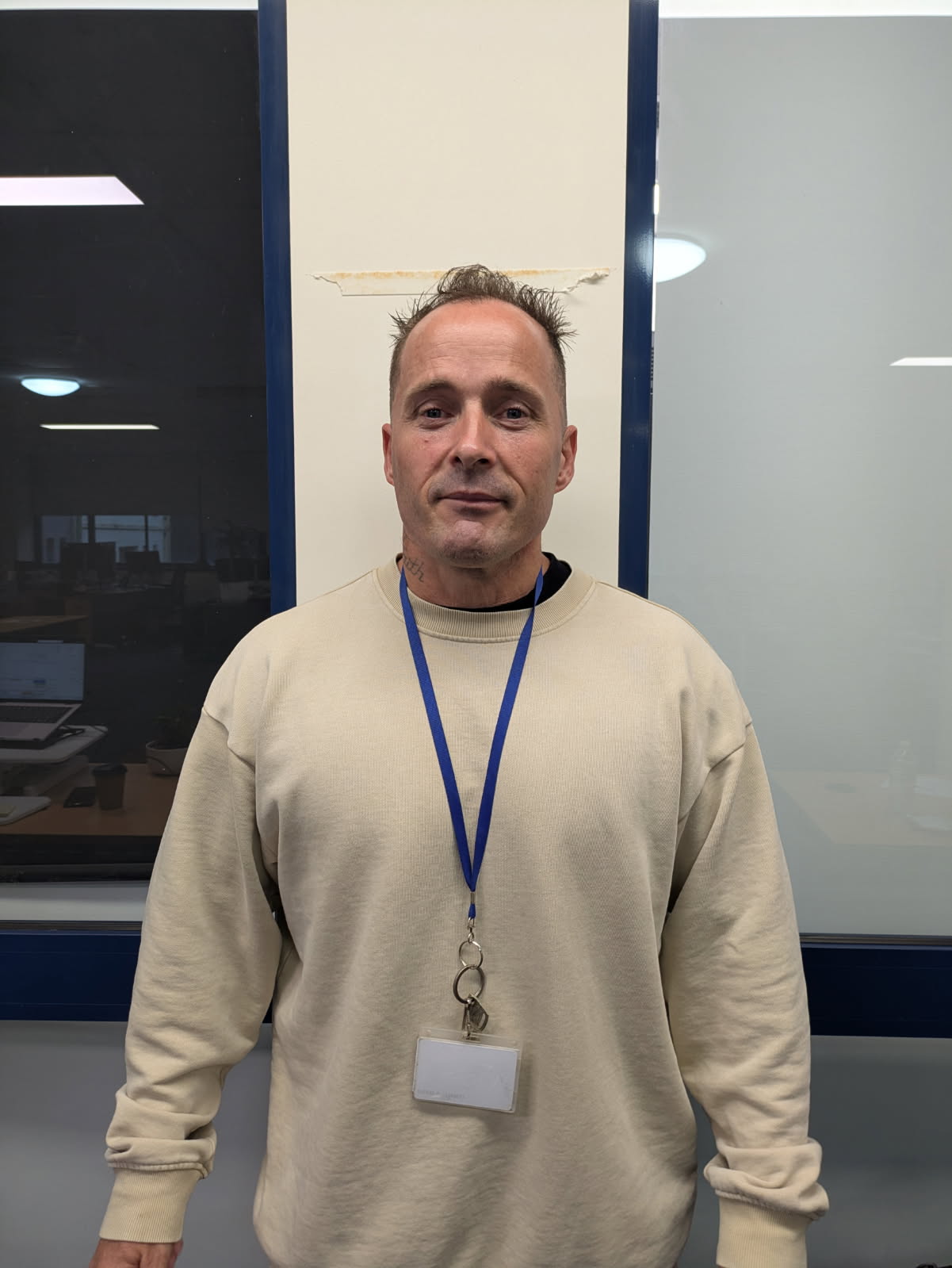
Mr Natham Oppy

Lived Experience/Peer Support Worker , The Salvation Army

Australia

Natham’s story began with growing up under the care of a single mother and a violent stepfather. With little supervision, he found drugs and alcohol at a young age, and addiction soon took him away from everything that mattered — friends, family, football, and joy for life. Natham experienced homelessness, struggled to maintain work, faced legal issues, and lost access to his children.

Recovery came through intervention with the justice system and the support of services and people with lived experience who helped him rebuild. Through hard work and commitment, he regained stability, reconnected with family, and found purpose in helping others.

Today, Natham works as a Peer Support Worker with The Salvation Army, where he feels he has found his calling — supporting men through some of the most difficult times in their lives and showing that recovery and change are always possible.

Steve-Pic-Conference

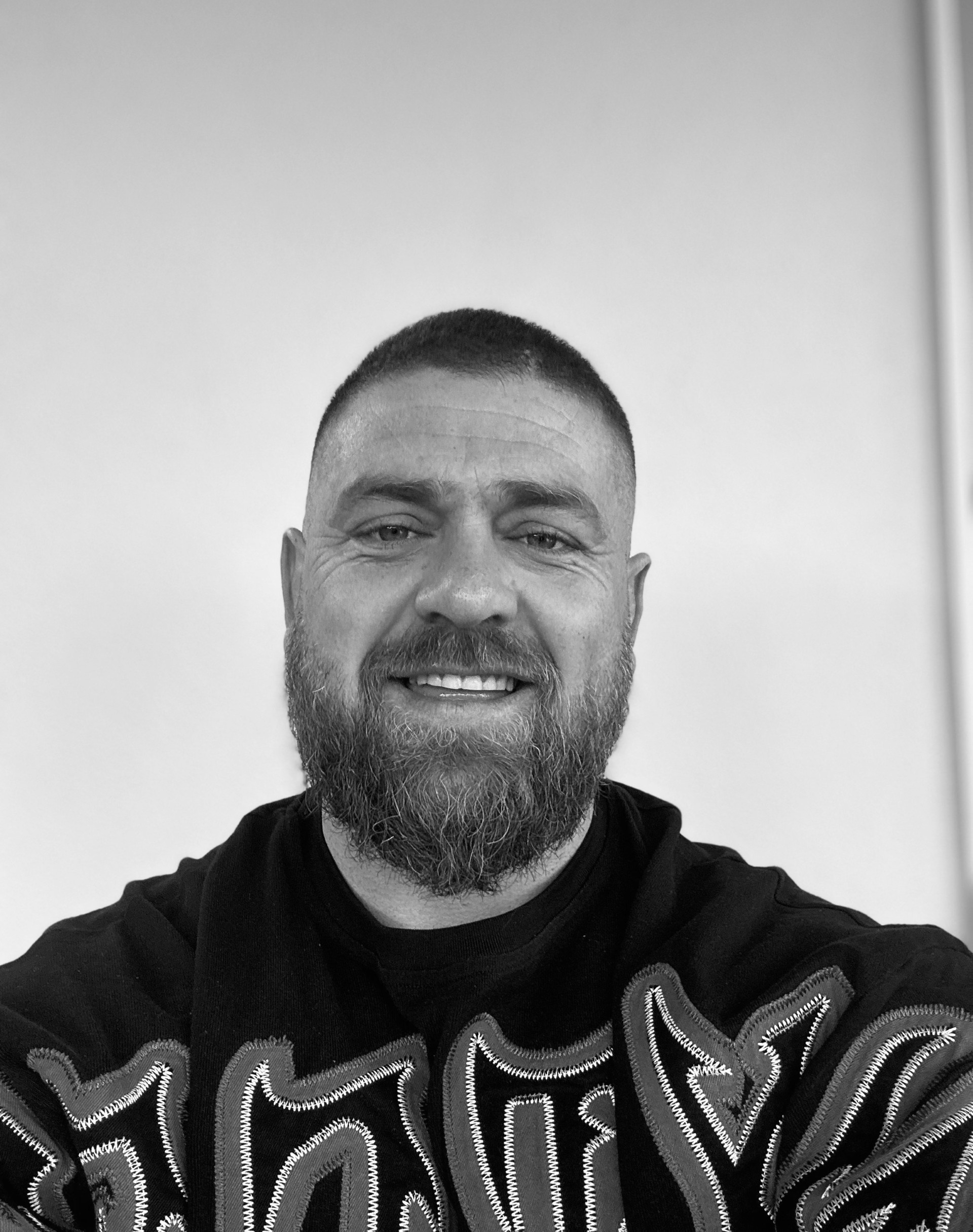
Mr Steve Morris

co-Founder StrongMinds, StrongMinds

Australia

Steve Morris is the Co-Founder of StrongMind Rehabilitation, a lived-experience-led recovery and Mens behavioural change service supporting men to heal from addiction, anger, trauma and destructive cycles. StrongMind delivers in-community rehabilitation, online recovery coaching and men’s healing camps throughout Australia. With more than a decade working across the alcohol and other drugs and mental health sectors, Steve has delivered programs within psychiatric treatment centres and residential rehabilitation services across New South Wales.

The StrongMind Model of Care focuses on therapeutic group work, one-to-one mentoring, workforce development, community healing and structured aftercare. Each part of the model helps men unpack the causes of addiction, rebuild relationships, and create lasting change within themselves, their families and their communities.

Before launching StrongMind, Steve served as Operations Manager at The Glen and Co-Founded Brothers 4 Recovery, a nationally recognised peer-led movement that empowers men through the power of storytelling and connection. These experiences shaped his belief that real change happens through compassion, accountability and honest discussions met with love.

As a proud husband and father of three daughters, Steve brings authenticity, empathy and courage to every space he works in. His unique blend of lived experience and professional expertise allows him to connect deeply with men, helping them feel seen, heard and supported as they begin their journey toward healing.

Steve’s mission is simple: to help men heal where they belong, at home.

Aaron-More-Conference-Pic

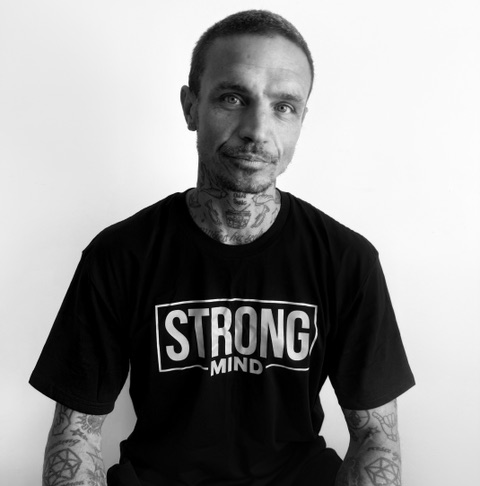
Mr Aaron More

Co-Founder, StrongMinds

Australia

Azza’s style is real, grounded, and built on lived experience. He’s led residential AOD programs, run community day services, and facilitated powerful group sessions that help men connect, reflect, and grow. Known for creating safe spaces, Azza brings honesty, clarity, and zero fluff to conversations about addiction, recovery, and life’s everyday struggles.

Alongside his group work, Azza offers 1:1 support that’s calm, confidential, and tailored to each man’s journey. Whether someone’s navigating early recovery, facing family pressures, or just needs a solid sounding board, Azza meets them where they’re at—with care and practical insight.

He also leads StrongMind’s immersive companion work—walking alongside men through key moments of healing. From first detox to tough family visits, Azza shows up with emotional safety, steady presence, and shoulder-to-shoulder support. It’s not therapy, and it’s not babysitting—it’s real-time care that helps men stay regulated and connected when it matters most.

His workshops, 1:1s, and companion work blend emotional regulation, mindfulness, addiction education, and open discussion—giving men the tools to reset and reconnect with themselves.

Azza brings calm, care, and solid leadership to every space he steps into, helping support men in our rural and remote programs as they step into healing, strength, and community.

Cameron Barrack

Cameron Barrack

Program Manager Homelessness & Outreach, The Salvation Army

Cameron Barrack has worked in the homelessness sector for over ten years and is currently the Program Manager for Homelessness Case Management and Outreach Teams with The Salvation Army. He has extensive experience working alongside individuals, families and communities who are at risk of, or experiencing, homelessness.

Cameron began his career as a frontline support worker and has since held roles across intake and assessment, case management, team leadership and program management. This progression has provided him with a comprehensive understanding of both direct service delivery and broader system level responses to homelessness.

He brings both professional expertise and personal insight to his work, drawing on his own lived experience to inform how he leads, advocates and connects with clients and teams. His approach is grounded in trauma informed, person-centred practice, with a strong commitment to supporting teams to deliver services that prioritise empathy, dignity and respect. Cameron has a particular interest in how lived experience can be authentically integrated into practice, policy and program development to create more responsive, effective and client focused services.

In his current role, Cameron leads homelessness and outreach programs that provide flexible, client centred support in the context of increasing housing shortages and cost of living pressures. He is passionate about advocating for lived experience to be recognised as a valuable form of expertise, ensuring that people with real world experience help shape the design, delivery and evaluation of services. By elevating these voices, he aims to foster more compassionate services, stronger client engagement and improved outcomes for people experiencing homelessness.