
Concurrent Session 3C: Supporting people during extreme weather and climate crisis events
Supporting People During Extreme Weather and Climate Crisis Events
This session will showcase innovative approaches and practical discussions on climate-based responses for people experiencing homelessness.
This session will be a rotating table discussion. Topics include:
- Flood response strategies
- Lessons from crisis shelter activations during floods
- Heatwaves,
- Cold snaps, and prolonged wet weather: integrating responses into practice
- Incorporating co design into responses to climate responses
By the end of the session, participants will have strengthened networks and gained practical knowledge to begin implementing solutions that manage climate-related risks for people experiencing homelessness. The session will feature presentations and mini workshops led by services, programs, and industry experts focused on immediate, actionable solutions to climate challenges.
Presenters
Primary Speakers
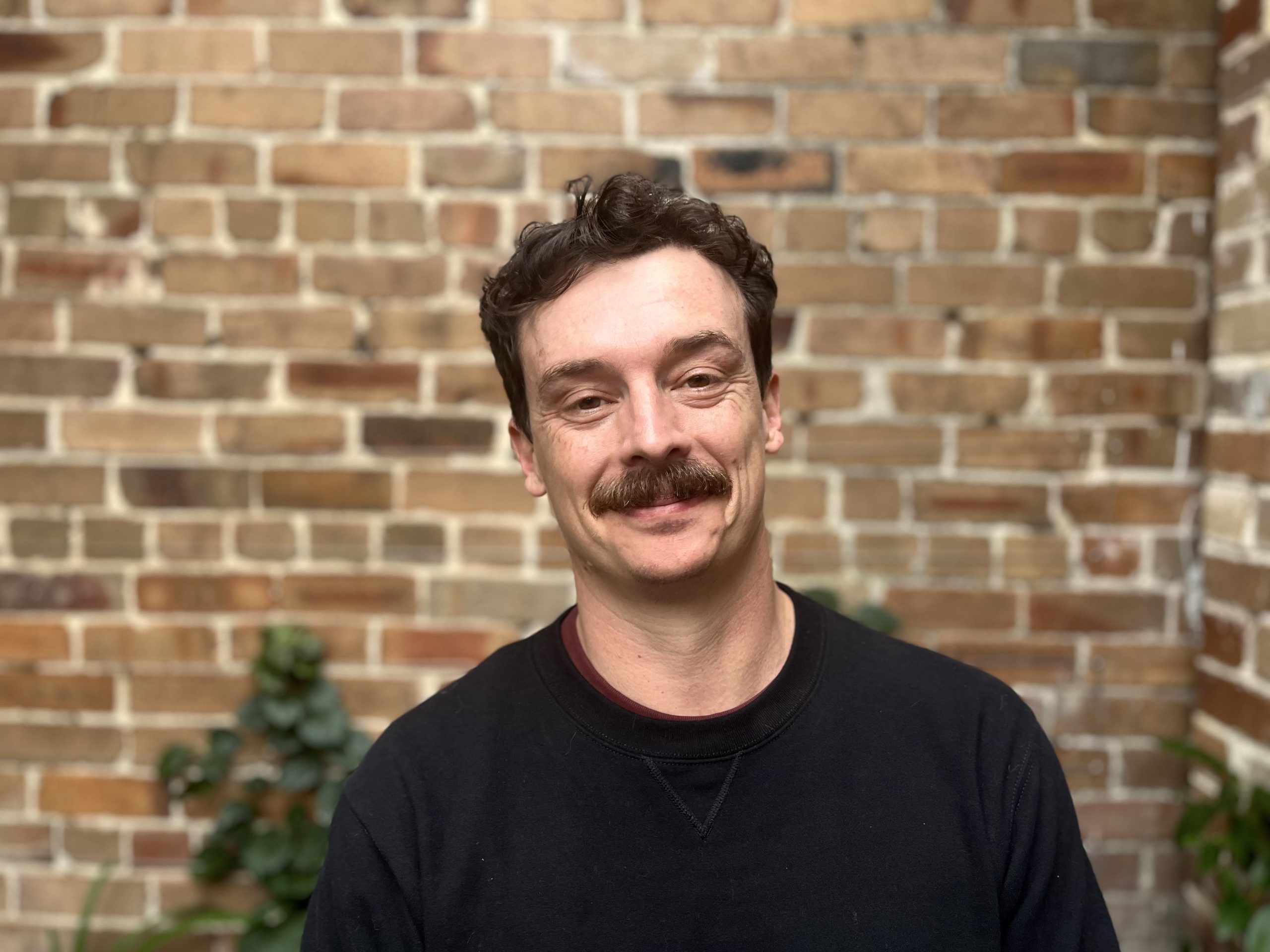
Jon Swain
Jon Swain is a Homelessness Manager at the City of Sydney.
Increased temperatures and rising rates of primary homelessness in Australia are compounding to create an imminent crisis. Jon has seen firsthand the growing risks that extreme heat and other weather events place on people experiencing primary homelessness, along with the need to develop responses that prevent injury, hospitalisation or death.
Jon believes that our primary responsibility is to ensure that responses to extreme climate events are delivered to people sleeping rough in a timely and targeted way, and that they are designed in partnership with those experiencing homelessness.
With over seventeen years of experience across State, Local and Non-Government homelessness services, Jon is driven by a commitment to explore all possible strategies and initiatives to reduce heat risks for highly vulnerable populations. He has contributed to research and policy design focused on reducing heat-related harm for people experiencing homelessness, regularly presents at conferences on climate and homelessness, and has developed policy and protocol responses to support people sleeping rough during heat events.
In 2024 he was awarded a Churchill Fellowship to investigate strategies to support people experiencing homelessness during extreme heat events. His 2025 Churchill report ‘The Heat will get here before the housing: solutions from America, lessons for Australia’ highlighted innovative solutions being implemented in the United States to mitigate climate related deaths among people experiencing homelessness.

Dr Tim English
Dr Timothy English is a Senior Lecturer in Heat and Health at the University of Sydney and is a co-lead for the Humanitarian Settings theme within the Heat and Health Research Centre. His work sits at the intersection of physiology, public health and implementation science, with a focus on reducing preventable heat-related illness among people experiencing homelessness.
Tim is the research lead for the Co-designed Mobile Cooling Hubs program – pop-up, community-embedded heat relief sites that provide shade, electric fans, cold water spray and drinking water, delivered in partnership with homelessness and health services and people with lived experience. The model is being piloted in Sydney with the aim of refining it into an evidence-informed “blueprint” to support scale-up in other Australian cities. His research combines real-world field evaluation (including physiological and perceptual heat-relief outcomes), lived-experience and service-partner insights, and pragmatic monitoring approaches designed for low-barrier community settings.
He has secured funding and in-kind support through cross-sector partnerships, including City of Sydney and St Vincent’s Hospital Sydney (Homeless Health Service), and collaborates with academic partners nationally to build the evidence base for mobile, low-barrier cooling interventions. Tim is lead author on a recent Medical Journal of Australia perspectives piece on protecting people experiencing homelessness from extreme heat and regularly contributes to policy and media discussions on equitable heat protection.
Tim is also the founder of the Australian Climate and Homelessness Alliance (ACHA), convening stakeholders across health, housing, government and community sectors to strengthen climate protection for people facing homelessness across Australia.
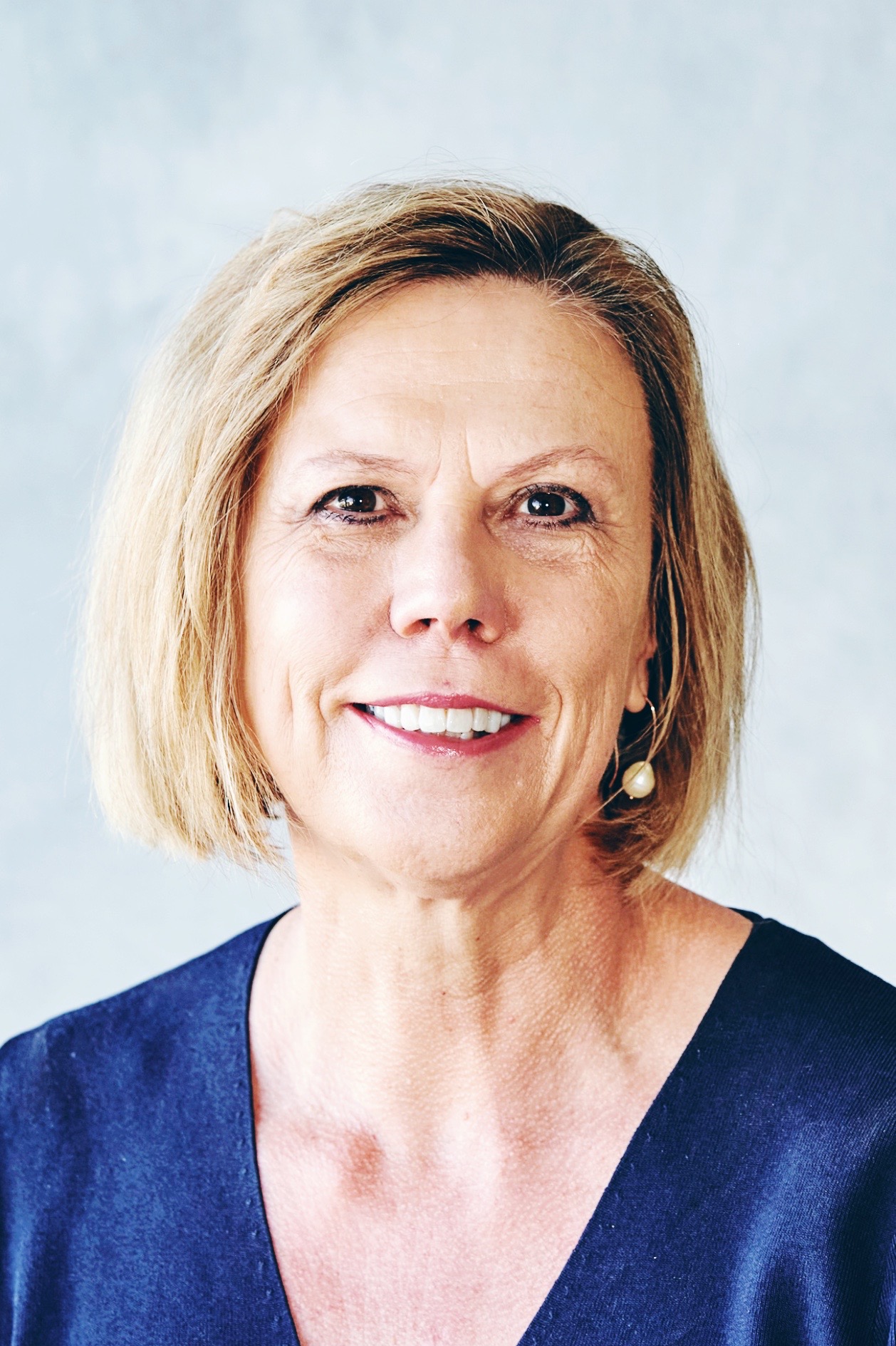
Professor Lisa Wood
Professor Lisa Wood leads the Home2Health team at the University of Notre Dame Australia, a multi-disciplinary team committed to reducing health inequalities, particularly among people experiencing homelessness. Lisa has decades of public health experience and brings a compassionate social determinants lens to her work. Lisa champions the importance of research being grounded in the needs and evidence gaps seen by people with lived experience and frontline services. Her research and advocacy often focuses on issues that have been largely invisible in mainstream population data or research, such as homeless deaths, pregnancy and homelessness, and most recently, the acute climate vulnerability of people without a home. Lisa has strong collaborations with NSW colleagues around reducing healthcare barriers for people experiencing homelessness and mitigating extreme weather vulnerability, and she is a founding member of the recently established Australian Climate & Homelessness Alliance (ACHA). Lisa is a tireless advocate for research being relevant and useful to the real world, and the need for academia to go beyond “the ivory tower”.

Niki Gill
Niki Gill is the Operations Manager for Uniting Communities – North Coast of NSW and manages several temporary housing villages, housing services for young people leaving Out Of Home Care and disaster case management services.
Niki has been working in homelessness in different capacities for 17 years including in the areas of youth homelessness, domestic violence, specialist homelessness services, after care and disaster related homelessness.
Niki has a strong interest in how trauma interfaces with homelessness and how we can work better with people experiencing homelessness to ensure best practice and create a positive service experience. She has a special interest in building and developing teams and holding and maintaining a robust work culture in a complex working environment.
Glenn Miller
Glenn Miller is a lived experience, Peer Support Worker with St Vincents Hospital Homeless Health Service. As part of the Homeless Outreach Team Glenn works with a team of clinicians and provides support to rough sleepers via inner city patrols, mobile health clinics and multi service Hubs. Glenn is also active in advocacy work for Homeless Health clients and is a member of StreetCare and the Sydney Zero Action Group.
Glenn has been a lived experience member of the Cooling Hub co-design group from its inception and is involved in the ongoing development and deployment of the Cooling Hub.
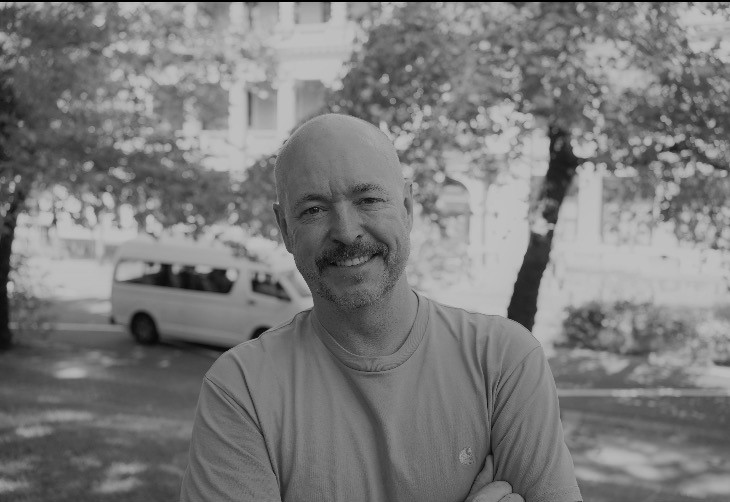
Matt Larkin
As the Homeless Health Service Manager at St Vincent’s Health Network in Sydney, I lead multidisciplinary teams dedicated to supporting individuals at risk of or experiencing homelessness. These teams cover primary health, health education, care coordination, assessment, and residential accommodation. Our focus is on engaging with individuals in a trauma-informed and patient-centred manner, ensuring they have access to healthcare services of their choice.
While my background is in clinical care, my current role centres on service development rather than direct clinical work. I design services based on best evidence and identified community needs. A notable achievement was leading the establishment of Sydney’s first COVID-19 vaccine hub for people experiencing homelessness. In addition, I am heavily involved in strategy and policy development, where research plays a pivotal role.
Over the past decade, our homeless health service has expanded significantly due to support from government and philanthropic sources, particularly through proof-of-concept designs. However, these financial contributions are often time-limited, making ongoing evaluation and research critical. By demonstrating through research that our services are both cost-effective and result in positive health outcomes, we strengthen our case for sustainable government funding. This ensures that our services continue to meet the needs of the homeless population.
In addition to my current role, I have extensive experience in incident response within the St Vincent’s Health Network. This involved collaborating with various stakeholders to prepare for and manage major incidents, ensuring adherence to disaster management policies. Prior to this, my career included management, education, and clinical roles within emergency department settings. My experience as a registered nurse, clinical nurse specialist, nurse educator, and nursing unit manager has provided me with a deep understanding of healthcare operations and the importance of effective disaster preparedness and response.
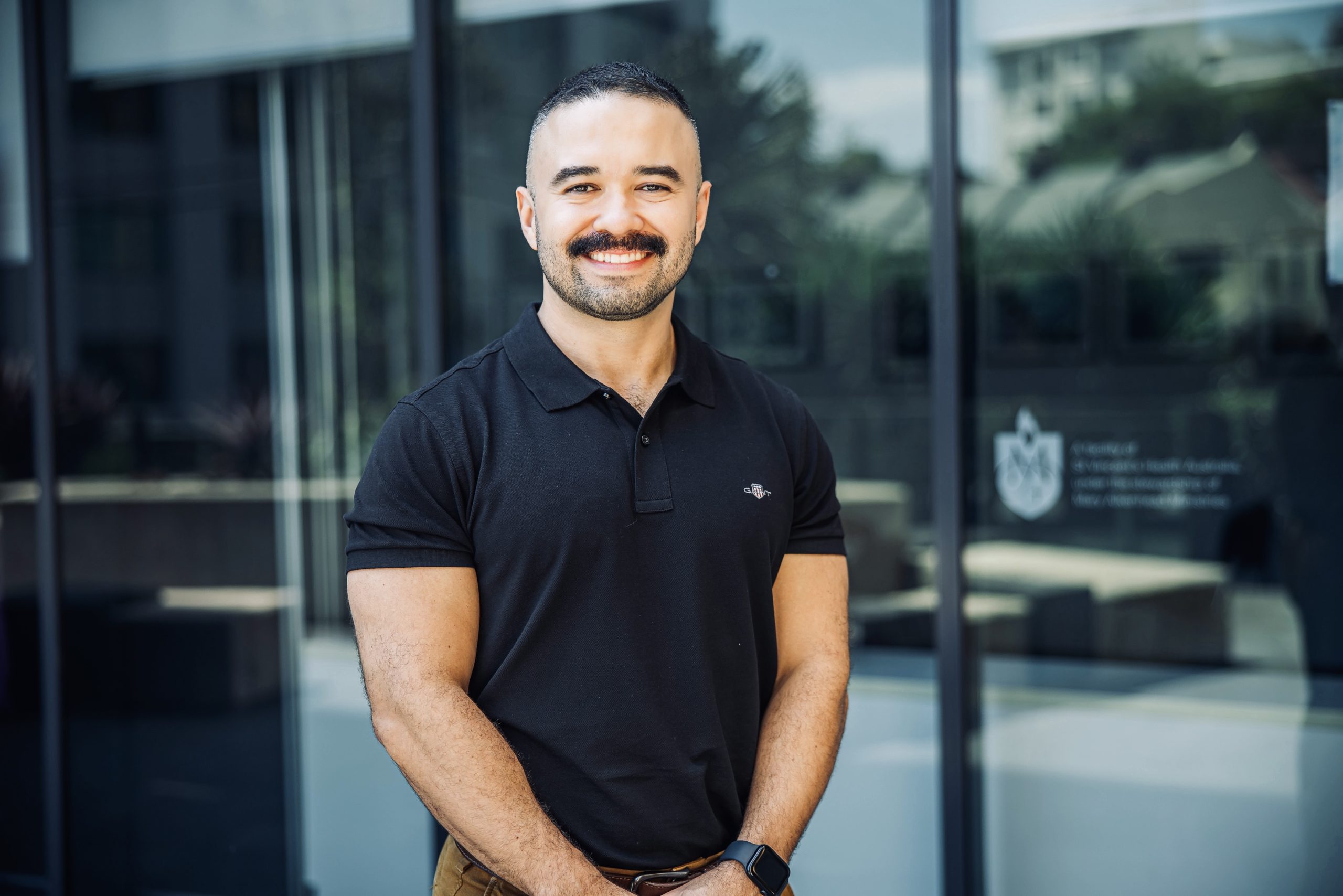
Alejandro Vasquez Hernandez
Alejandro Vásquez-Hernández is the Clinical Research Coordinator at the Homeless Health Service, St Vincent’s Hospital Sydney. He contributes to the design, coordination, and implementation of research projects aimed at improving health outcomes for people experiencing homelessness, ensuring that evidence informs service delivery and system reform.
With more than 17 years of experience working alongside vulnerable communities in Australia and internationally, Alejandro’s work focuses on access to healthcare, oral health, climate-related health risks, and the structural determinants of disadvantage. He supports research activities from protocol development and ethics approvals through to data collection, analysis, and knowledge translation, maintaining strong governance processes while embedding meaningful lived experience participation across projects.
Alejandro is part of the team leading the co-design and implementation of the Mobile Cooling Hub, a climate adaptation initiative developed in partnership with people with lived experience of homelessness. The project addresses the escalating health risks associated with extreme heat by integrating rapid response, service coordination, and participatory design to develop a practical and scalable model of care. This work reflects his commitment to equity-driven research that translates evidence into action, strengthening climate resilience and health system responsiveness for people experiencing homelessness.
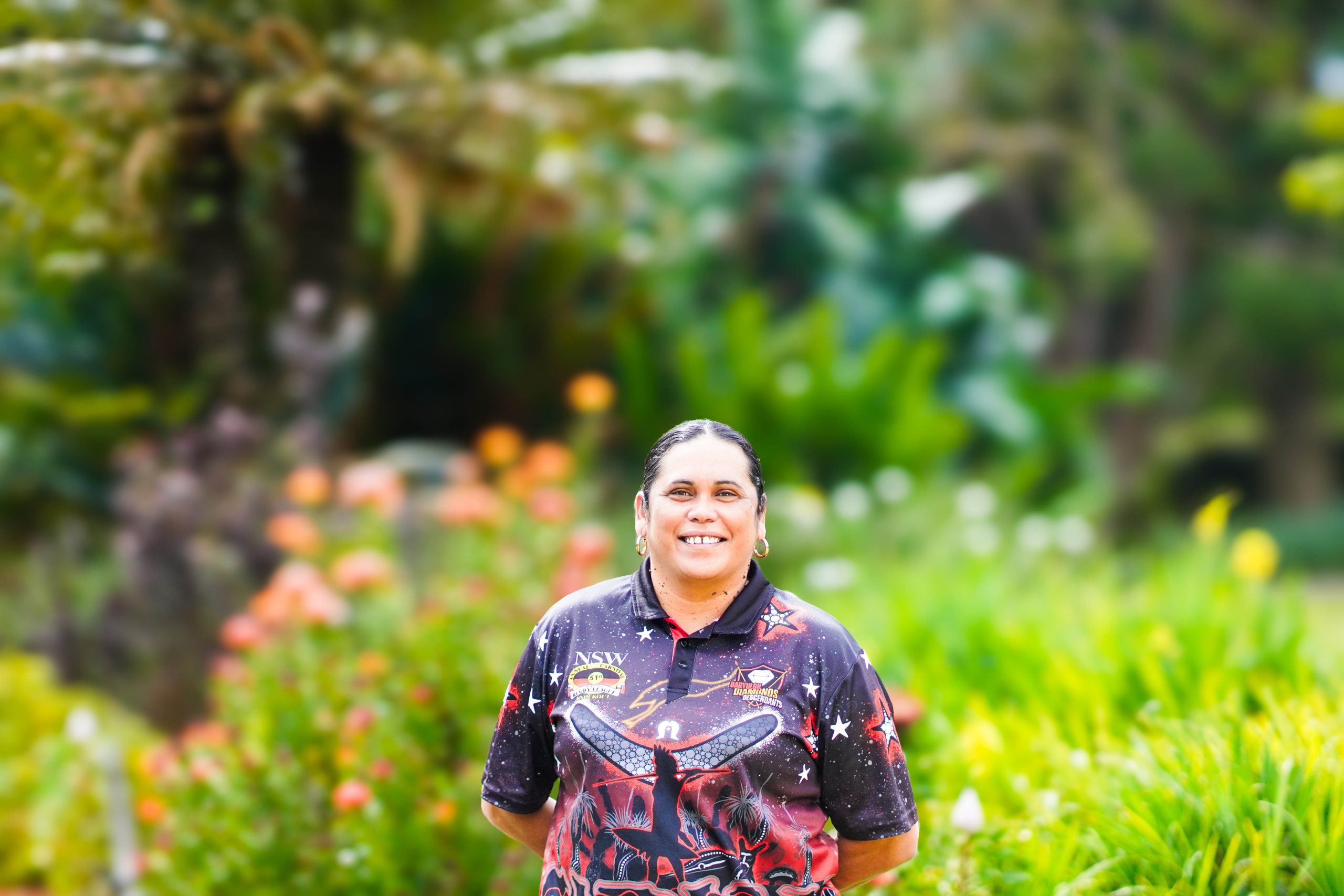
Krystal Donovan
Krystal Donovan is a proud First Nations woman and the First Nations Ambassador at New Horizons, based in Coffs Harbour. With deep connections to community and culture, Krystal is committed to ensuring Aboriginal and Torres Strait Islander voices are heard, respected, and embedded in service design and delivery.
In her role as service delivery manager, Krystal champions culturally safe, community-led responses to homelessness, housing insecurity, and social disadvantage. She works alongside local communities, service providers, and government partners to strengthen trust, improve access to supports, and ensure responses reflect cultural knowledge and local realities.
Krystal brings extensive experience in frontline service delivery and community engagement across the Mid North Coast. She is widely respected for her relationship-building approach and her ability to bridge systems, helping services respond more effectively to the needs of Aboriginal people experiencing homelessness, crisis, and displacement.
Her work emphasises listening first, honouring culture, and building solutions with community, not for community. Krystal is passionate about place-based responses and strengthening partnerships that support safety, dignity, and long-term stability for Aboriginal people and families.